“Creating opportunities, shaping the future” – A dialogue on development work
By Marcus Schick I 6 minute read
22/04/2026
For 20 years, DACHSER and the children’s rights organization Terre des Hommes have been working together to promote development and equal opportunities in the Global South. To mark this anniversary, the event “Creating opportunities, shaping the future: Impulses for strategic engagement in the countries of the Global South” was held at the new DACHSER Network Campus in Kempten.

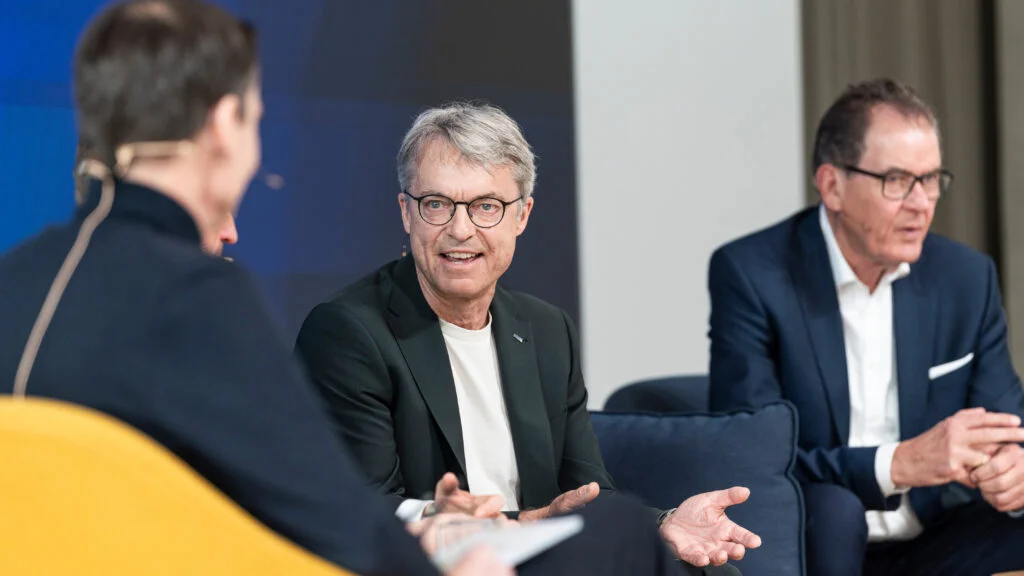
On-site and via livestream, approximately 600 representatives from the business community, politics, and civil society discussed the role of companies in a globalized world. At the invitation of Bernhard Simon, Chairman of the Supervisory Board, and Burkhard Eling, CEO of DACHSER, the speakers included Dr. Gerd Müller, Director General of UNIDO; Dr. Wolfgang Stefinger, Chairman of the Committee on Economic Cooperation and Development in the German Bundestag; and Joshua Hofert, Executive Director of Terre des Hommes. Markus Raffler, Editor-in-Chief of the local daily newspaper Allgäuer Zeitung, moderated the event.
Supply Chains: between globalization and responsibility
Global supply chains shape our daily lives and form the foundation of our economic activities. At the same time, they highlight the close connection between economic success and social responsibility—especially in logistics. “Globalization is the driving force, the flywheel of our business,” says Bernhard Simon, Chairman of the Supervisory Board at DACHSER. “This also entails a responsibility for the current and future living conditions of people worldwide.”
This discourse is taking place today in an era marked by growing uncertainty: declining trust in institutions, social isolation, and the withdrawal of public actors from development cooperation. For Simon, this creates new challenges for companies. DACHSER sees itself as a “Corporate Citizen+”—a globally active company that consciously takes responsibility for vulnerable and marginalized people, creates structures, and enables equal opportunities.
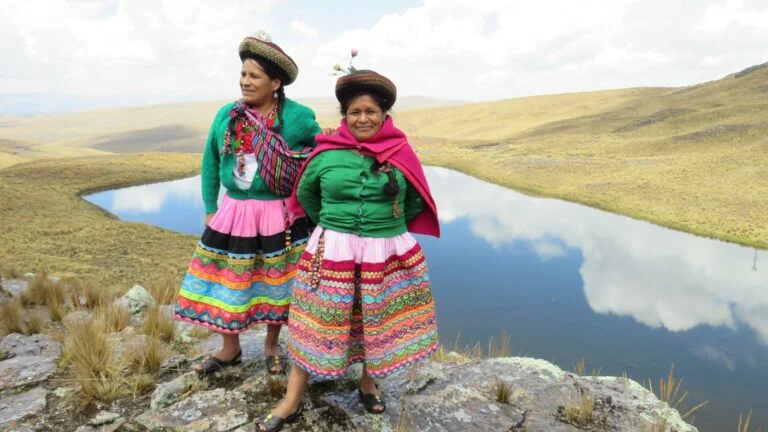
DACHSER’s partnership with Terre des Hommes, spanning over 20 years, demonstrates what corporate engagement can look like in practice. Starting with an initial project following the Indian Ocean tsunami disaster on Christmas 2004, a long-term collaboration has developed, encompassing projects in more than a dozen countries, which DACHSER supports annually with approximately three million euros. At the heart of this is a shift in perspective: away from short-term aid and toward sustainable development. “We don’t just build schools,” Simon explains the approach, “we empower people to take control of their own lives.”
Two decades ago, DACHSER began its partnership with the children’s rights organization Terre des Hommes. Bernhard Simon has been a key figure in this success story from the very beginning. In this video interview, the Chairman of the Board of Directors answers the most frequently asked questions about the partnership.
Insights from Practice and Policy
Joshua Hofert, Executive Director of Terre des Hommes, identified three key factors for success: strategy over PR, partnerships on equal footing, and long-term reliability. To create a “world of humanity,” he said, one must sometimes “swim against the tide.” Especially in times of declining donations and growing global crises, this principle is more important than ever.
Dr. Gerd Müller, Director-General of UNIDO and former Federal Minister for Economic Cooperation and Development, provided the global context. Supply chains, he noted, are not merely economic structures but also social systems whose design must be guided by human dignity and sustainability. At the same time, the dynamic markets of the Global South offer great opportunities—provided that development is approached as a partnership.
Dr. Wolfgang Stefinger, Chairman of the Committee on Economic Cooperation and Development in the German Bundestag, also emphasized the importance of international cooperation in an increasingly interconnected world. He pointed to the growing role of international cooperation in an increasingly fragmented world. National perspectives are no longer sufficient to address global challenges. “Everything is interconnected,” he said—economically, politically, and socially.
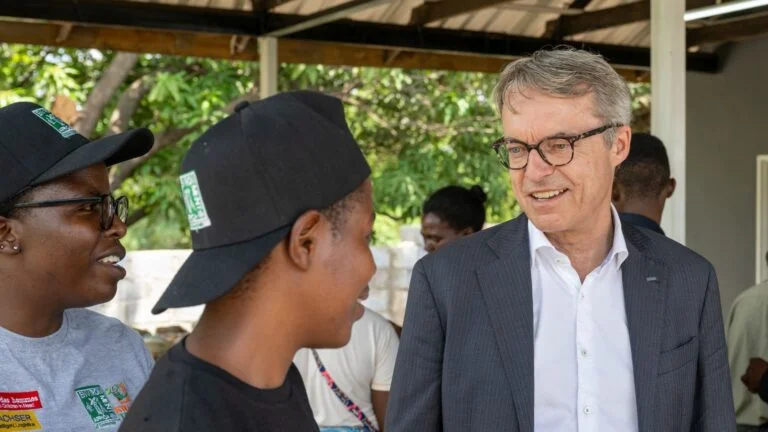
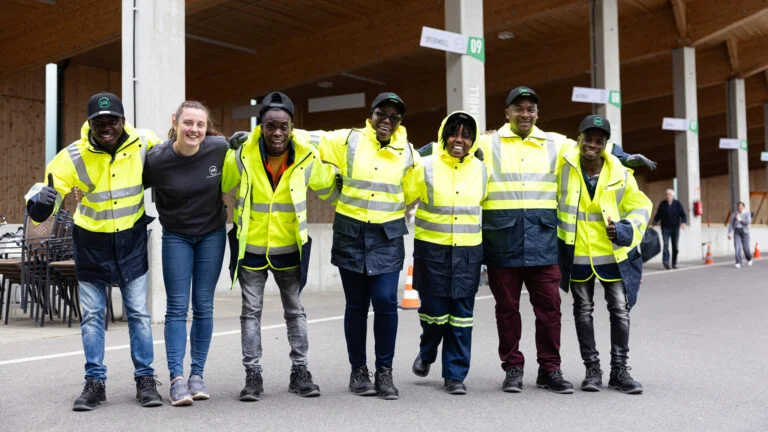
A project example from Zambia demonstrated what development work can look like in practice. To this end, young DACHSER project manager Christoph Meyer and Lara Kühn from the Kempten Waste Management Association ZAK in Sonthofen presented a flagship project by DACHSER and Terre des Hommes: Trash4Cash, a successful startup from the Zambian city of Livingstone that emerged from a youth exchange initiated in 2019. The idea: collect recyclable waste, sort it, and market it as recyclable material. With a great deal of dedication and entrepreneurial spirit, the Zambian team has turned it into a thriving business that recently opened its own recycling center and—with support from UNIDO, among others—was able to put its first truck into operation.
DACHSER and Terre des Hommes are supporting people in Ukraine who have been particularly hard hit by the war—especially children, young people, and women. By 2029, approximately 7,000 particularly vulnerable people will receive support through psychosocial assistance, economic aid, and peacebuilding efforts. We would be grateful if you could support this project with a personal donation:
Terre des Hommes Deutschland e.V.
IBAN: DE65 2659 0025 1000 7008 04
BIC: GENODEF1OSV
Reference: DACHSER Ukraine
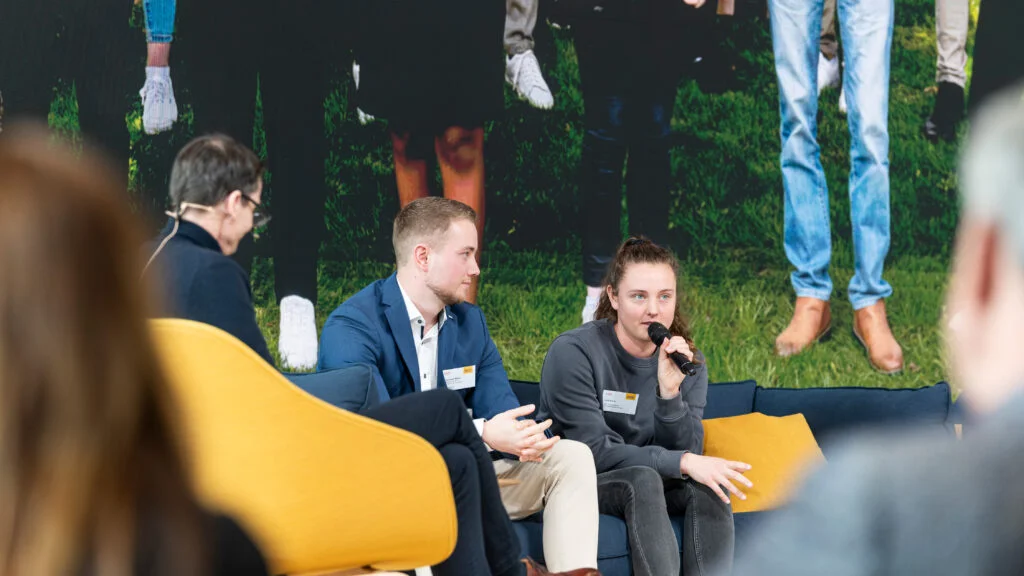
Shaping the future through collaboration and commitment
In closing, Thomas Hiemer, CFO of DACHSER, speaking on behalf of the Executive Board, highlighted the connection to DACHSER—a logistics provider deeply rooted in the local community yet active on a global scale: “From here, we send out impulses to the world, and at the same time, we invite the world to visit us in Kempten. The company’s people-centered approach and its commitment to being a corporate citizen stem from the identity of the family-owned business and its core values: “Combining down-to-earthness with a global outlook—we Allgäuers know how to do that,” said Hiemer. In keeping with this principle, the current expansion of the corporate headquarters, where the event took place, was deliberately designed to be participatory and to serve as a place for encounters and exchange.
At the end of the event, the realization remained that global development is not an abstract goal, but the result of concrete action. Companies can—and must—play an active role in this. Markus Raffler, editor-in-chief of the local daily newspaper Allgäuer Zeitung and moderator of the event, summed it up: “When economic activity, social engagement, and international cooperation come together, the result is greater than the sum of its parts. It creates the opportunity to actively shape the future—and to create opportunities that extend far beyond one’s own company.”