New approaches to global Food Logistics
By Frank Zscheile I 7 minute read
16/09/2026
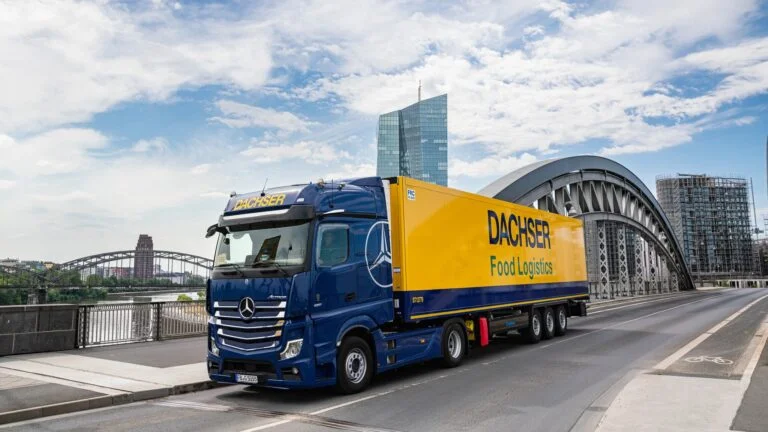
The international food market is characterized by impressive momentum. Many countries around the world are currently expanding their trade with Europe. Goods flows must be integrated, and complex supply chains simplified. This requires high-performing logistics partners who provide seamless solutions along the entire supply chain to meet the unique challenges of international food logistics, such as quality, temperature control, customs clearance, and reliability. Last but not least, the goal is to support international producers as they enter new markets. DACHSER Food Logistics specializes in this area and works with its customers to develop customized solutions—from a single source, along the entire supply chain, and regardless of whether goods are being transported into or out of Europe.

In Japan, whiskey is highly prized, and Chinese consumption of European wines is growing at an extremely rapid pace. Conversely, in every small German town today, it’s commonplace to find ramen and sushi, tacos, and Argentine steaks harmoniously side by side in grocery stores. This shows that globalization has reached the food market.
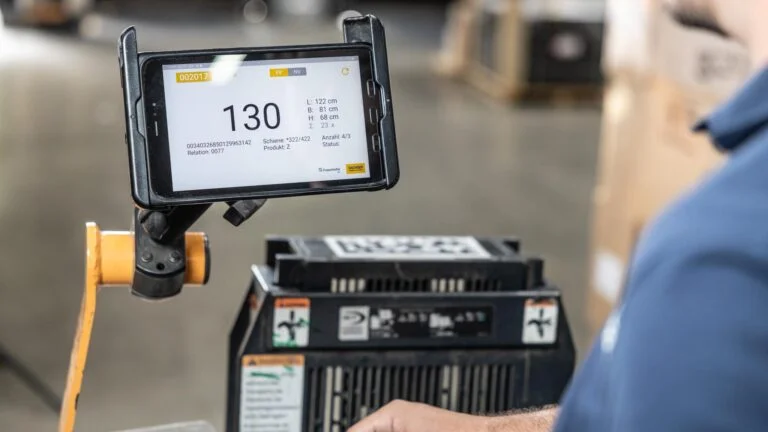
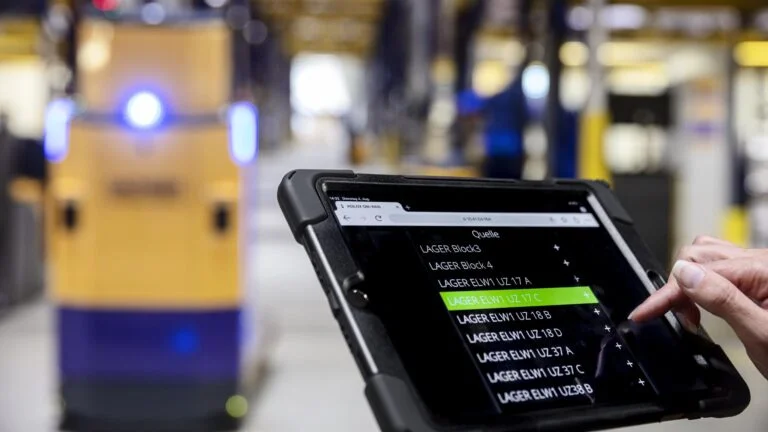
What was a niche product yesterday can be a global trend today, fueled by social media, e-commerce, and rising urbanization. Technological advances in the sensitive field of food transportation—which often involves perishable goods—make it possible to quickly meet such new market demands today. These include IT-supported shipment tracking, efficient cold chains, and, overall, extensive networking of logistics chains, as offered by DACHSER Food Logistics. Consequently, growth forecasts for global food logistics are pointing sharply upward. Depending on the market research firm, the compound annual growth rates (CAGR) range from 3.76% between 2025 and 2032 to 8,30 % between 2025 and 2034.
Our strength lies in our ability to manage the entire supply chain: our Road Logistics network, Air & Sea Logistics, customs expertise, and Contract Logistics are all seamlessly integrated.
Understanding foreign markets
DACHSER recognized this trend early on and is leveraging its expertise to actively shape international food logistics—to and from Asia, Africa, and the American market. The company provides consulting on international issues and then actively implements the strategies developed in collaboration with its customers—using its tightly knit networks and logistics capabilities. It all began in Asia with the export of wine and spirits. “Through these activities, we laid the foundation for understanding the local market and establishing initial logistics processes. We now apply this expertise to other regions of the world as well,” explains Samuel Haller, Global Business Development Manager for Food Logistics at DACHSER. One important process, for example, is “buyers’ consolidation”—that is, bundling several smaller shipments from various European suppliers, preparing the necessary export documents, and shipping them together overseas or to the APAC region.
“Our strength lies in our ability to manage the entire supply chain: our Road Logistics network, Air & Sea Logistics, customs expertise, and Contract Logistics are all seamlessly integrated. We also manage food logistics end-to-end—both inbound to Europe and outbound to international markets,” says Stefan Behrendt, Managing Director of Food Logistics at DACHSER.
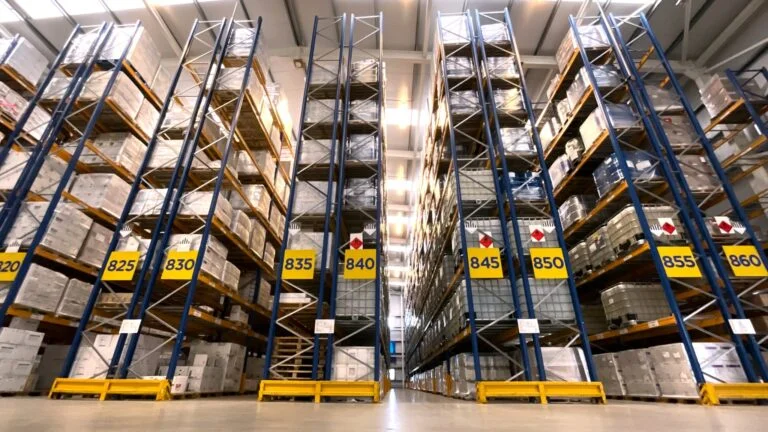
For all orders, DACHSER strictly adheres to legal regulations and its customers’ specifications. The company uses state-of-the-art refrigeration technology for all food products that must be stored and transported at above-freezing temperatures, along with reliable, seamless traceability and temperature documentation, supported by rigorous quality management. All processes are controlled and monitored by specific quality management systems.
One-Stop Food Logistics: From temperature-controlled transportation and warehousing to seamless shipment tracking, DACHSER offers industry-specific solutions for the food industry.
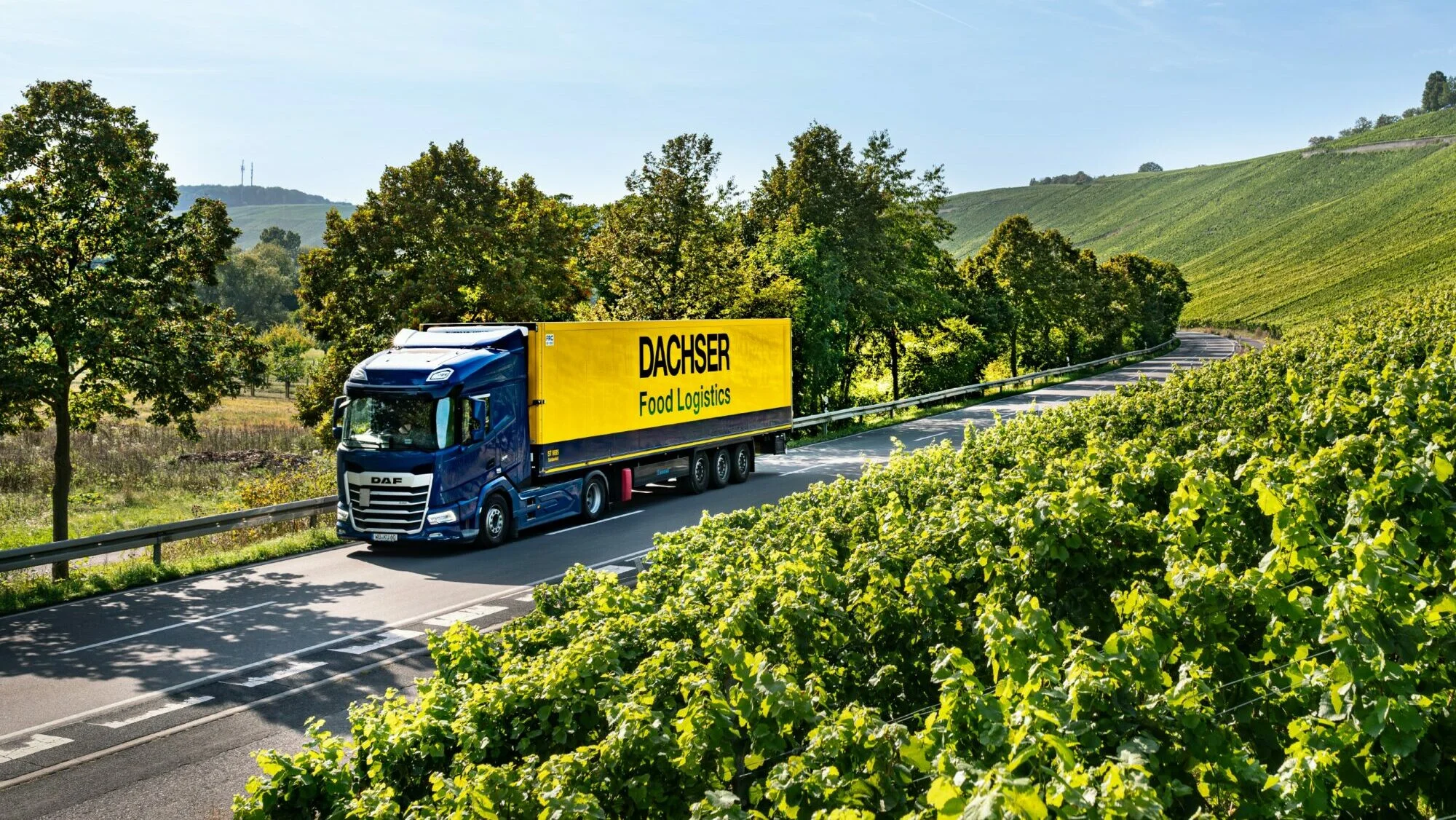
European brand-name products are in demand
The success in the Wine & Spirits segment demonstrates how DACHSER systematically applies existing processes to additional products, markets, and volumes. DACHSER’s approach is customer-centric: “We take a close look at the markets and demand and respond with the appropriate offering,” says Samuel Haller. According to the food expert’s observations, European brand-name products are at the top of the list of items coveted by Asian customers. DACHSER maintains close ties with these manufacturers in Europe and can efficiently scale the global export of their brands as needed.
Local food producers primarily use three methods to enter overseas markets: Major brands typically establish their own branches through which they distribute their products directly. In the widely used wholesaler and distributor model, traditional trading companies in the respective country act as representatives for European suppliers. Smaller European manufacturers primarily use e-commerce platforms to reach end consumers directly. DACHSER supports all three groups; for example, it consolidates small shipments in Europe and delivers them to local e-commerce operators who handle fulfillment and marketing for these brands.
The dynamics of the global food trade are not a one-way street. While European products find their way to Asia, the Americas, or Africa, demand for foods from those regions is simultaneously growing in Europe. The growing presence of foreign communities in European cities further drives this development. This trend is therefore also of great significance for DACHSER.
There are essentially two main ways in which foreign manufacturers enter the European market: Under the traditional OEM (Original Equipment Manufacturer) model, they sell their goods on “free on board” (FOB) terms to European importers, distributors, or wholesalers, who handle all subsequent steps, such as product certification, freight arrangements, and customs clearance. DACHSER already works closely with major German importers and can handle the last mile to retailers or end consumers.
Strategic partner for market entry
The emerging OBM (Own Brand Manufacturer) model, on the other hand, is explicitly promoted by the Chinese government and is comparable to the approach taken by local automakers: They enter the European retail market directly under their own brand, without a European importer. The role of a specialized logistics provider like DACHSER is changing fundamentally once again, shifting from a pure freight provider to a “market-entry enabler.” This is because the needs go far beyond transportation; the focus is on market access, retail integration, and distribution. This requires solutions that combine logistics with market development. Samuel Haller: “We not only provide logistical support to foreign food manufacturers, but also offer comprehensive, in-depth consulting services for market entry in Europe.”
As part of its ongoing growth strategy in Food Logistics, DACHSER has opened a new food logistics operation in Freiburg. The location strengthens the company’s network in a key border region and creates additional capacity for cross-border food transport between Germany, France and Switzerland.
We not only provide logistical support to foreign food manufacturers, but also offer comprehensive, in-depth consulting services for market entry in Europe.
Conclusion: scalable solutions as a model for success
The globalization of eating habits and the ever-increasing interconnectivity of supply chains form the foundation for a dynamically evolving market in international food logistics. By gaining experience early on in a clearly defined market, DACHSER has established itself as a key player in the global food trade between Europe and the major world regions of Asia, Africa, and the Americas, and is consistently expanding its position.
Key to this success are a customer-centric approach and the ability to adapt to changing market conditions—whether by integrating global transportation into existing trade structures or by serving as a market-entry enabler for emerging private-label manufacturers. By continuously expanding its networks and services, DACHSER is consistently growing its food business in line with actual market trends. The recipe for success here: sustainable, scalable end-to-end structures rather than short-term volume growth. “The global food market will continue to grow—but growth alone is not the benchmark. What matters is building supply chains in such a way that they remain reliable, transparent, and scalable,” says Stefan Behrendt.