Integration into the network and a gateway to North Africa: Three questions for Celestino Silva
By Hendrik Durst I 4 minute read
29/04/2026
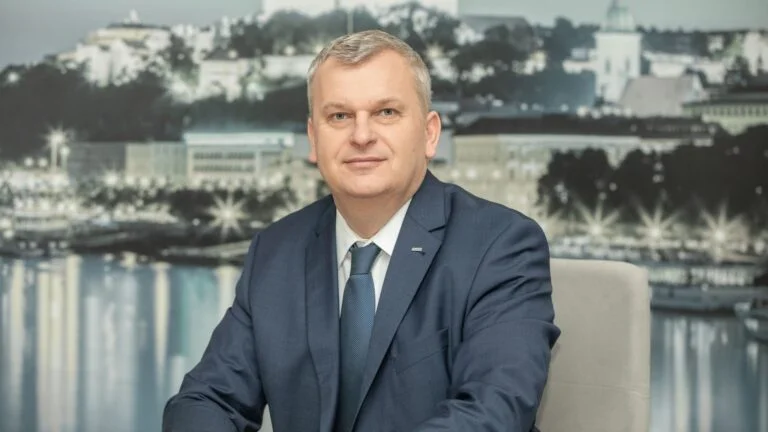
In the latest episode of the DACHSER podcast “Network Talk”, Celestino Silva, Managing Director European Logistics Iberia, discusses the development of the Iberian Peninsula into a key pillar of DACHSER’s European network. The focus is on the successful integration of the company into the network, current growth fields and investments, as well as on the program DRIVE. We asked him three key questions.

What made the integration of the company into DACHSER’s network so successful – and how has DACHSER Iberia developed since the acquisition?
The acquisition of Azkar in 2012 was a major change, but from the very beginning it was seen as a great opportunity by everyone. In my view, the key success factor was DACHSER’s appreciative approach to people, corporate culture and the many years of expertise. For me, integration does not mean replacing existing strengths, but deliberately developing them further.
Since then, DACHSER EL Iberia has changed significantly. Today, we are far more internationally positioned, work with harmonized processes and systems, and are closely integrated into DACHSER’s European network. This step-by-step integration – always accompanied by transparent communication and mutual trust – has strengthened our service quality and opened up access to a high‑performance European network for our customers. I am very proud of this shared journey today.
The newly established gateway enables faster, more efficient and more reliable transit times between the Iberian Peninsula and North Africa.
What role does DACHSER Iberia play today within the European network – and what does this mean for customers and employees?
With more than 3,000 employees at 59 branches, we reliably connect the Iberian Peninsula with all major economic regions in Europe – adhering to the same standards as all other DACHSER branches. For our customers, this translates into transparent processes, stable transit times and seamless access to European markets.
At the same time, our teams benefit from being part of an international network. They know that their day‑to‑day work has a direct impact on the performance of the entire network. This creates a strong sense of identification and opens up new opportunities – for example, through international collaboration, knowledge transfer and personal development. This combination of local expertise and global orientation makes Iberia a key pillar within the network.
Beyond Europe, our cooperation with DACHSER in the Maghreb region is also very close. Iberia acts as a natural link between Europe and North Africa, given that Morocco in particular offers attractive opportunities in industry, trade and nearshoring. Our site in Cadiz plays a key role in this context. The newly established gateway enables faster, more efficient and more reliable transit times between the Iberian Peninsula and North Africa.
You can listen to the full interview with Celestino Silva in the sixth episode of our English-language podcast, Network Talk.
For our customers in Iberia, full integration ultimately means even greater reliability, transparency and access to innovative logistics solutions.
With DRIVE, you are currently advancing the full integration of the Iberian Peninsula into the DACHSER network. What are your biggest priorities – and where do you see the greatest opportunities?
With DRIVE, we are implementing a harmonized way of working across the Iberian network – at all levels. The aim is to fully align processes, systems and standards with global specifications, from transport and warehouse management systems to operational workflows.
One key aspect is digital transformation within the framework of our Target Picture 2030. It is equally important to actively support our employees through this change – with clear communication, structured change management and accompanying training programs. Sustainability also plays a key role. For example, through DACHSER Emission-Free Delivery, we are focusing on locally emission-free deliveries (e.g., via electric trucks and electric cargo bikes) in designated downtown areas of Madrid, Barcelona, Málaga, and Porto.
For our customers in Iberia, full integration ultimately means even greater reliability, transparency and access to innovative logistics solutions. For our teams, DRIVE opens up new areas of expertise and strengthens international collaboration. Overall, the program creates a robust foundation for further growth – in Iberia and beyond.
Find out more about the development of DACHSER Iberia and strategic growth fields in the region in the latest episode of our podcast Network Talk. The full episode with Celestino Silva is available here in DACHSER magazine on all major podcast platforms.